
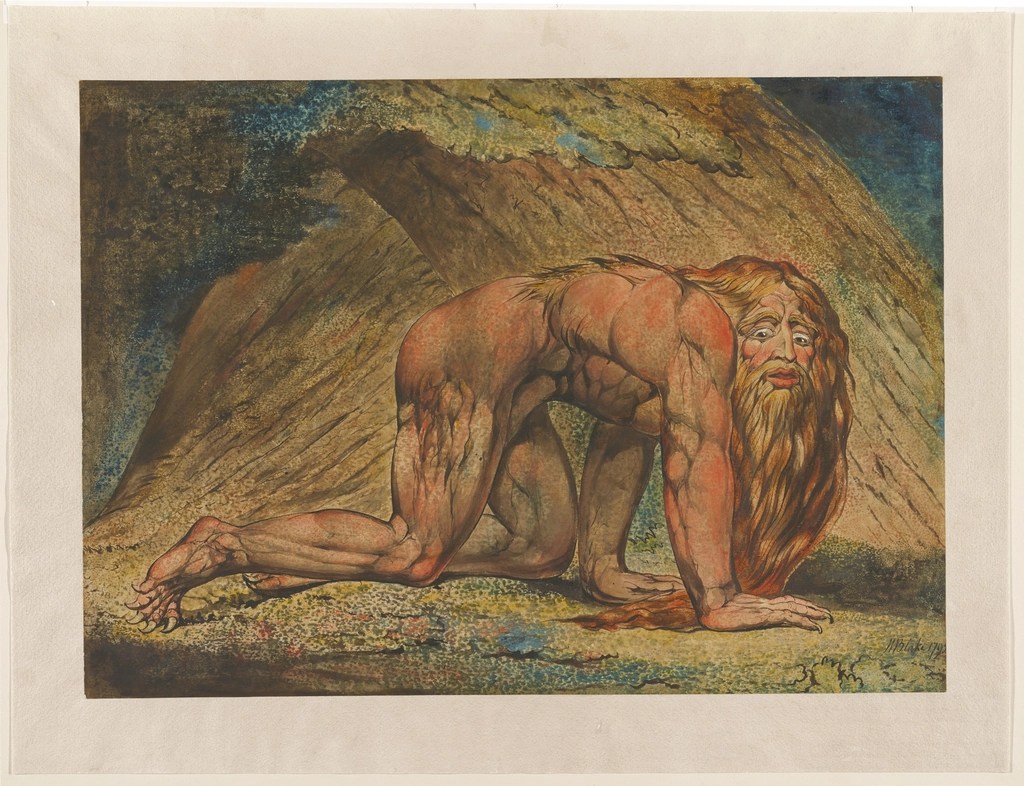
This book offers timeless leadership and governance lessons that a nation at crossroads like Uganda can reflect on. The Seven Key Lessons include:
1. Power Without Humility Leads to Downfall“Is not this great Babylon that I have built… by my mighty power?” (Daniel 4:30)
Lesson:Nebuchadnezzar’s downfall began when he credited himself alone for national success.
Key takeaways:
i) National achievements must never be personalized.
ii) Leaders and institutions should remember that power is entrusted, not owned.
iii) Arrogance in leadership weakens legitimacy and stability.
2. Leadership Is Accountable to Higher Moral LawNebuchadnezzar was the most powerful ruler of his time, yet he was still judged by God. Key Takeaways:
i) No leader or institution is above the Constitution, justice, or moral accountability.
ii) Authority must operate within clear legal and ethical limits.This reinforces constitutionalism: power restrained by law and values.
3. Ignoring Wise Counsel Has Consequences. Daniel repeatedly warned the king to repent and rule justly (Daniel 4:27), but the warning was ignored. Key Takeaways:
i) Leaders should listen to advisors, citizens, professionals, and critics.
ii) Suppressing dissent or expertise leads to policy failure and national harm.
4. National Stability Requires Justice and Compassion Daniel urged the king to:“…break off your sins by righteousness, and your iniquities by showing mercy to the poor.” (Daniel 4:27) Key Takeaways:
i) Economic growth without social justice is fragile.
ii) Caring for the poor, marginalized, and vulnerable is not charity. It’s good governance.
5. Abuse of Power Dehumanizes the RulerNebuchadnezzar’s madness—living like an animal—symbolizes the loss of human dignity that comes with unchecked power. Key Takeaways:
i) When leadership relies on fear, force, or coercion, it erodes the humanity of both ruler and ruled.
ii) True authority preserves dignity and promotes the common good.
6. Restoration Comes Through Humility and Reform Nebuchadnezzar was restored only after he acknowledged that power belongs to God (Daniel 4:34–37). Key Takeaways:
i) National renewal is possible through humility, reform, and accountability.
ii) Admitting mistakes and correcting course strengthens, not weakens, leadership.
7. Legacy Is Defined by Values, Not MightNebuchadnezzar’s greatness is remembered not for conquest, but for the lesson his life teaches. Key Takeaway:
i) A nation’s true legacy lies in justice, freedom, dignity, and the rule of law, not merely military or economic strength.
From King Nebuchadnezzar, Uganda can learn that:
i) Power must be restrained by law and humility
ii) Leadership must serve the people, not glorify itself
iii) Justice and compassion sustain nations
iv) Accountability is unavoidable
v) Renewal is always possible through reform
 Sarah Bireete Prison Diary Reflections
Leave a comment